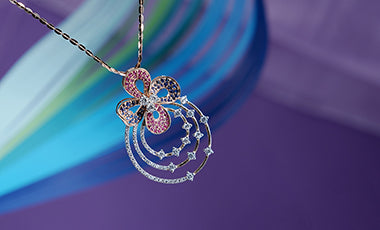
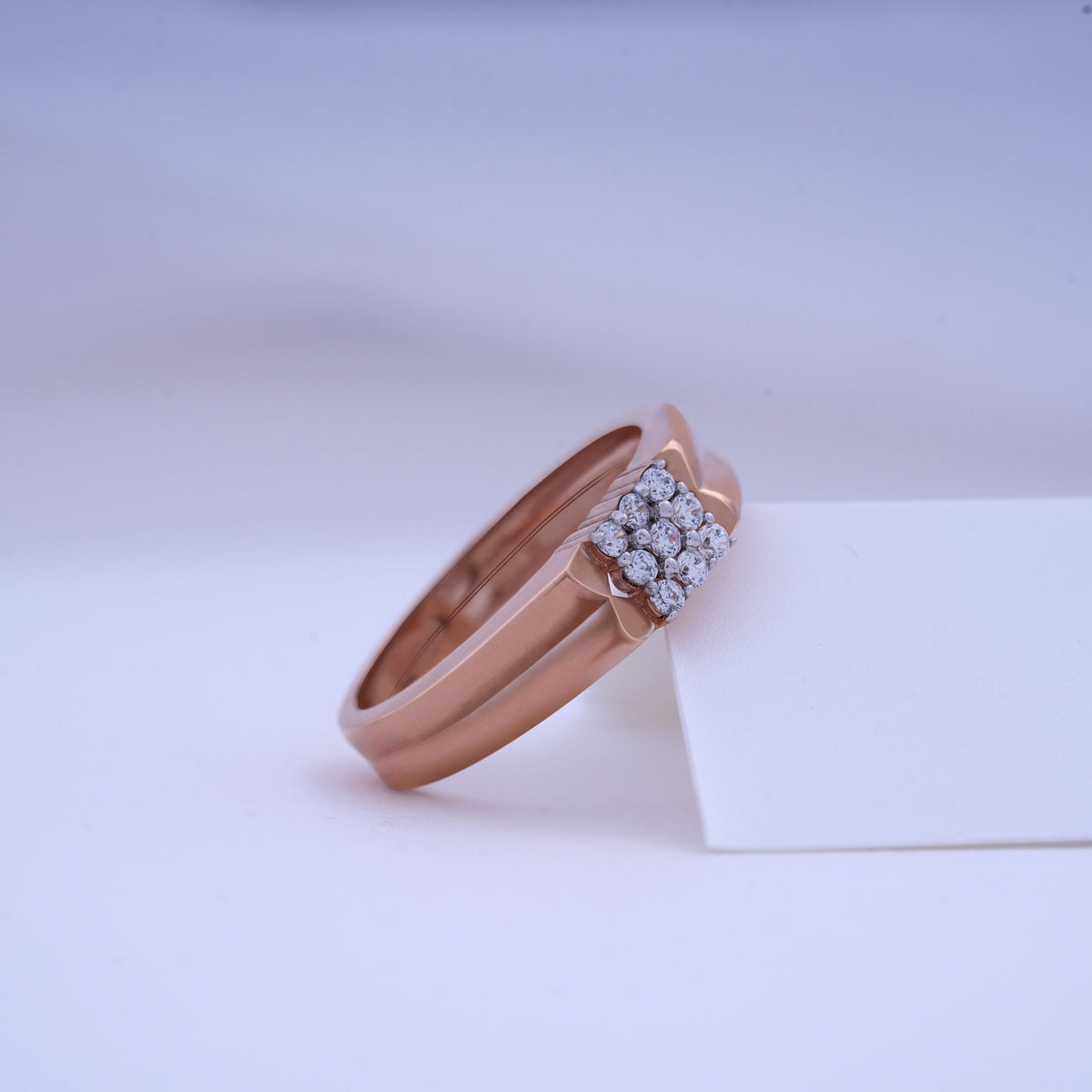
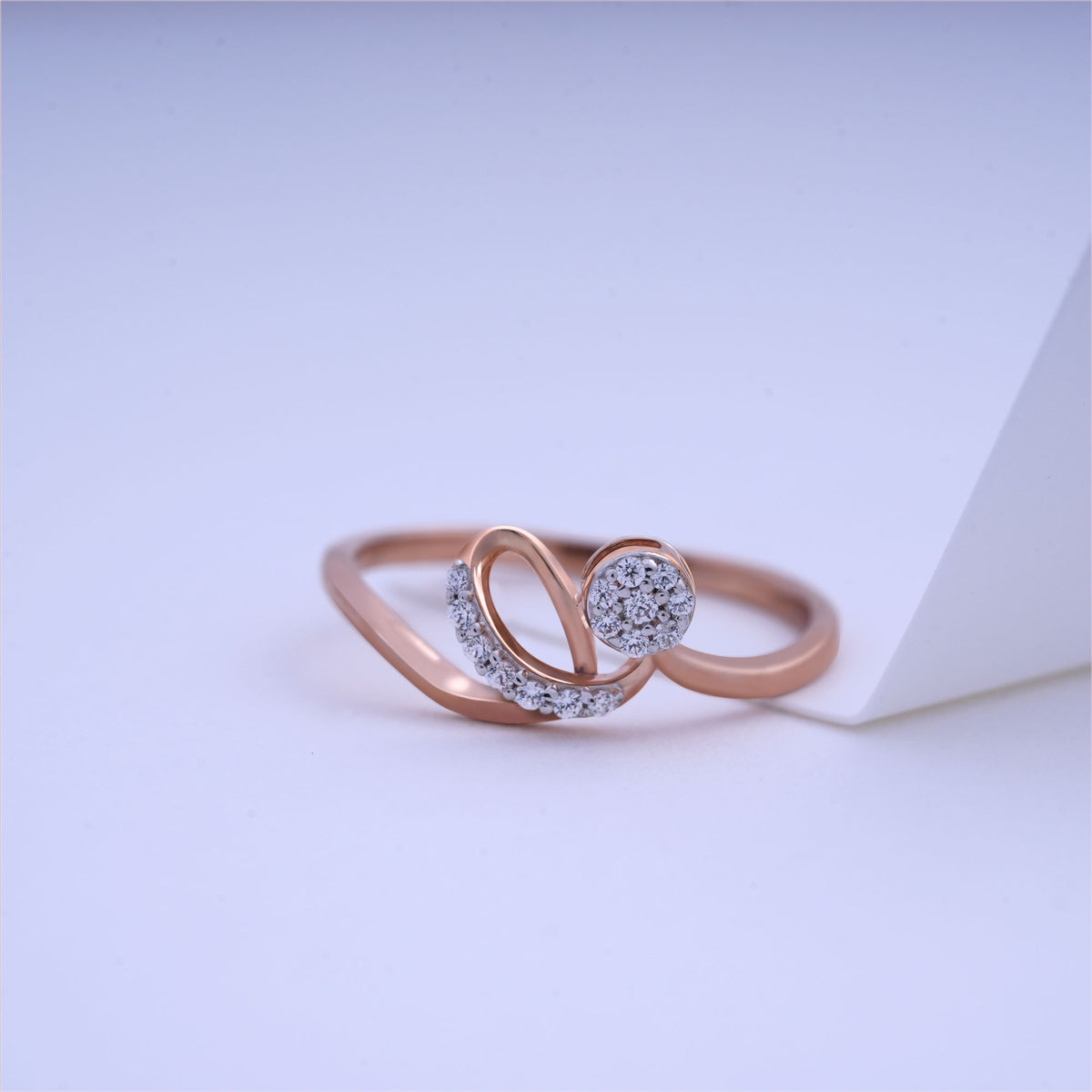
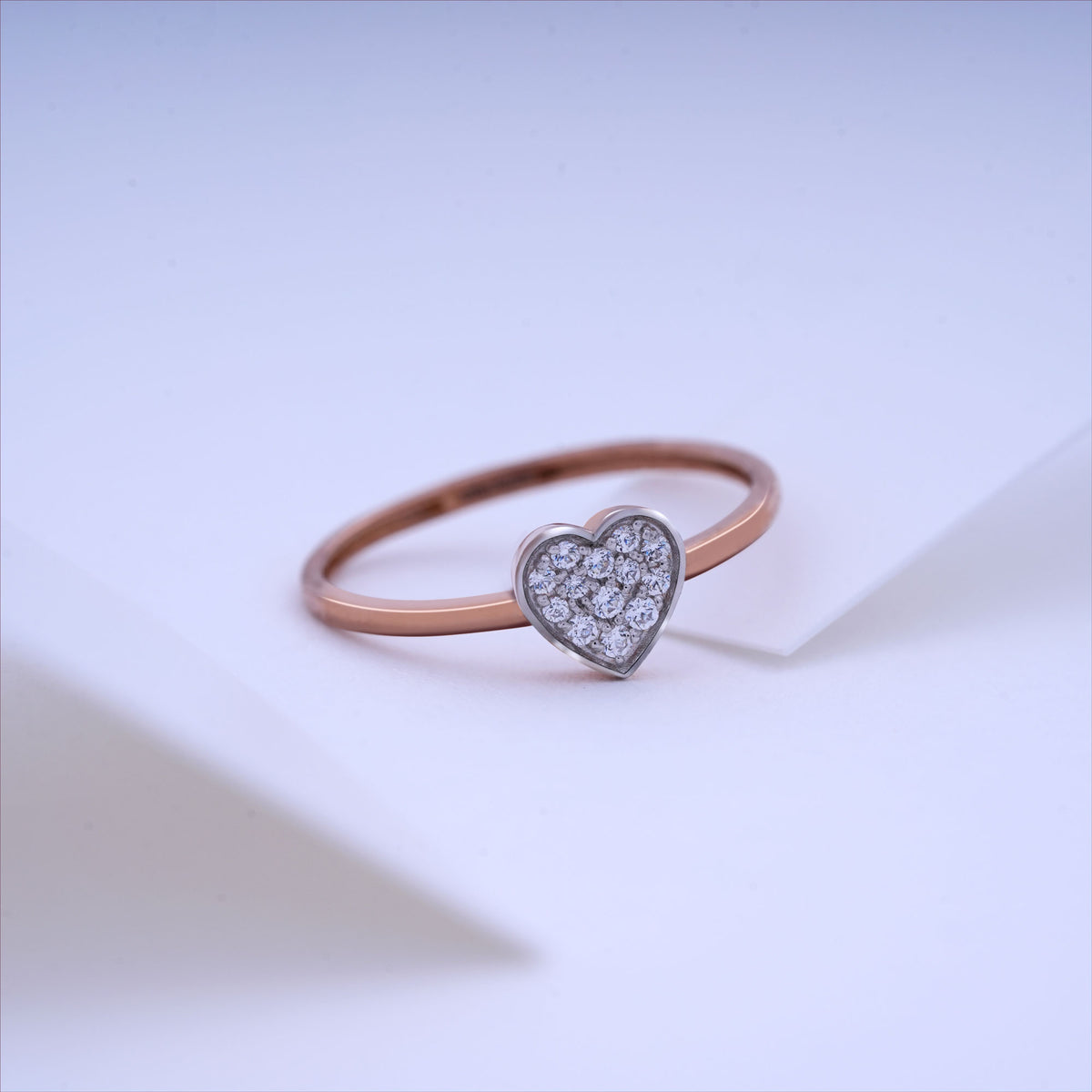
Rose gold and yellow gold can transform the same jewellery design into two completely different looks. Yellow gold feels classic, warm and familiar, while rose gold has a soft pink tone associated with modern and romantic styling.
But colour is not the only difference. Composition, gold purity, alloy metals, maintenance and personal sensitivity can also influence which option suits you.
This rose gold vs yellow gold guide explains the key differences so you can choose confidently.
What Is Yellow Gold?
Yellow gold jewellery is made from pure gold combined with other metals to provide the strength needed for regular wear. The exact alloy varies according to the gold purity and manufacturer.
Yellow gold retains the warm colour most closely associated with traditional gold jewellery. It is available in purities such as 9K, 14K, 18K and 22K, although design availability differs by jeweller and category.
It is popular for:
-
Classic and traditional jewellery
-
Everyday chains, earrings and rings
-
Bridal and occasion pieces
-
Designs intended to coordinate with an existing yellow-gold collection
What Is Rose Gold?
Rose gold is real gold alloyed with metals that create its pink or reddish tone, commonly including copper. The exact shade can range from subtle blush to a deeper rose depending on purity and alloy composition.
Rose gold is not simply pink plating when the jewellery is described as solid rose gold. Its colour comes from the metal mixture throughout the piece. Always check the product description because rose-gold-coloured plating over another base metal is a different product.
Rose gold is popular for:
-
Contemporary rings and bracelets
-
Romantic or feminine-inspired designs
-
Minimal daily wear jewellery
-
Diamond and stone-set pieces
-
Mixed-metal styling
Rose Gold vs Yellow Gold: Quick Comparison
| Feature | Rose Gold | Yellow Gold |
|---|---|---|
| Colour | Pink, blush or reddish warmth | Classic warm golden tone |
| Overall style | Modern, romantic and distinctive | Timeless, traditional and versatile |
| Alloy influence | Often contains more copper for its colour | Uses alloys selected to retain a yellow tone |
| Pairing | Works well with pastels, neutrals and mixed metals | Pairs naturally with Indian wear and classic gold collections |
| Maintenance | May develop surface changes based on wear and alloy | May scratch or lose polish with regular wear |
| Gold value basis | Driven primarily by purity and gold weight | Driven primarily by purity and gold weight |
Is Rose Gold Real Gold?
Yes—solid rose gold is real gold. As with yellow gold jewellery, pure gold is combined with other metals to improve strength and create the desired colour.
The karat determines the proportion of pure gold, not whether the jewellery is rose or yellow. For example:
-
9K gold contains 37.5% pure gold.
-
14K gold contains 58.5% pure gold.
-
18K gold contains 75% pure gold.
Two pieces with the same karat have the same proportion of pure gold even if one is rose gold and the other is yellow gold. Their alloy composition and colour differ.
Which One Is More Durable?
Durability depends on several factors, including gold purity, alloy composition, design thickness, construction, stone setting and how the piece is worn.
Rose gold is often considered robust because copper is commonly used in its alloy. However, colour alone does not guarantee that one piece will outlast another. A delicate rose gold chain can still require more care than a well-constructed yellow gold ring.
Lower-karat gold generally contains a higher proportion of alloying metals, while higher-karat gold contains more pure gold and may feel softer. Always judge the complete product rather than colour alone.
Which Colour Is Better for Your Skin Tone?
Traditional styling advice often suggests yellow gold for warm undertones and rose gold for both warm and neutral undertones. These are only guidelines, not rules.
The most reliable approach is to compare both colours near your face or hand in natural light. Choose the tone that makes you feel confident and works with the clothing and jewellery you wear most often.
Which Is Better for Everyday Wear?
Both rose gold and yellow gold are suitable for daily wear when the piece is well made and cared for properly.
Choose yellow gold if you:
-
Prefer a classic gold appearance
-
Wear traditional outfits frequently
-
Want to coordinate with an existing yellow-gold collection
-
Enjoy timeless rather than trend-focused designs
Choose rose gold if you:
-
Prefer soft pink or contemporary tones
-
Wear neutral, pastel or Western outfits often
-
Like romantic, minimal or modern designs
-
Want a colour that stands apart from classic gold
For either colour, select lightweight designs with secure closures, smooth settings and proportions suited to your routine.
Rose Gold vs Yellow Gold for Rings
Yellow gold rings provide a classic look and pair naturally with traditional gold jewellery. Rose gold rings can make geometric, floral and stone-set designs feel softer and more contemporary.
If you plan to stack rings, you do not have to choose only one colour. Combining yellow and rose gold can create a personalised mixed-metal stack. Repeat one element—such as band width, stone shape or finish—to keep the combination cohesive.
Rose Gold vs Yellow Gold for Earrings and Necklaces
Yellow gold earrings and necklaces bring familiar warmth and can transition easily between daily and traditional wear. Rose gold pieces can blend gently with the skin and work especially well with understated office or casual outfits.
Consider what will sit near the jewellery. Yellow gold may coordinate easily with warm-toned clothing and classic accessories, while rose gold can complement blush, cream, grey, black and earthy neutrals.
Does Rose Gold Cost More Than Yellow Gold?
Neither colour is automatically more expensive. The price of a gold jewellery piece depends mainly on:
-
Gold purity
-
Net gold weight
-
Prevailing gold rate
-
Making charges
-
Stones or diamonds
-
Design complexity
-
Applicable taxes
Two designs in the same purity and weight may still have different prices because their manufacturing and stone details differ. Compare the complete price breakup rather than colour alone.
Which Colour Has Better Resale or Exchange Value?
Exchange or buyback value generally depends more on eligible gold purity and weight than on whether the piece is rose or yellow. The applicable policy, purity testing, stone deductions, making charges and prevailing gold rate may all affect the amount offered.
Do not assume the original purchase price will be recovered. Review the jeweller’s current exchange and buyback policy before buying.
A Note on Metal Sensitivity
Both rose and yellow gold contain alloying metals, and the exact composition can vary. Because rose gold commonly contains copper, it may not suit everyone with metal sensitivities. Yellow gold alloys may also contain metals that cause reactions in some people.
If you have known sensitivities, ask the jeweller about the alloy composition before purchasing and seek appropriate professional advice when needed.
How to Care for Rose Gold and Yellow Gold
-
Remove jewellery before swimming, bathing, exercising or cleaning.
-
Avoid direct contact with perfume, lotion and harsh chemicals.
-
Wipe each piece gently with a soft, lint-free cloth.
-
Store items separately to reduce scratches.
-
Use only cleaning methods suitable for the stones and finish.
-
Have loose settings and damaged clasps inspected promptly.
Do not use abrasive home remedies. Professional cleaning is safer for delicate, heavily stone-set or damaged pieces.
How to Make the Final Choice
Ask yourself:
-
Which colour do I already wear most often?
-
Do I prefer classic or contemporary styling?
-
Which tone works with most of my wardrobe?
-
Am I buying for daily wear, gifting or an occasion?
-
Does the design matter more to me than the metal colour?
-
Is the desired style available in my preferred purity and budget?
There is no universal winner in the rose gold vs yellow gold debate. The best choice is the one that fits your style, routine and reason for buying.
Explore Your Gold at CAIA
Yellow gold celebrates timeless warmth. Rose gold introduces a softer, modern expression. Each can become an everyday favourite when chosen thoughtfully.
Explore CAIA Lifestyle Jewellery’s lightweight rings, earrings, necklaces, pendants and bracelets in designs created for every mood, milestone and version of you.
Choose the colour that feels most like yours.
Gold colour, alloy composition, product availability and price vary by design and purity. Refer to the individual product page or contact CAIA for current specifications.